
A trustor is the person who sets up a trust. They decide which assets go into it and who they ultimately benefit. Think of them as the planner setting the rules for how their assets should be handled.
Setting up a trust might seem like an overwhelming task, but it’s simply about making sure your assets are taken care of when you’re not around. A trustor decides what goes into the trust and picks someone, called a trustee, to manage it. The main goal? Protect assets, avoid probate, and ensure your wishes are followed for your loved ones.
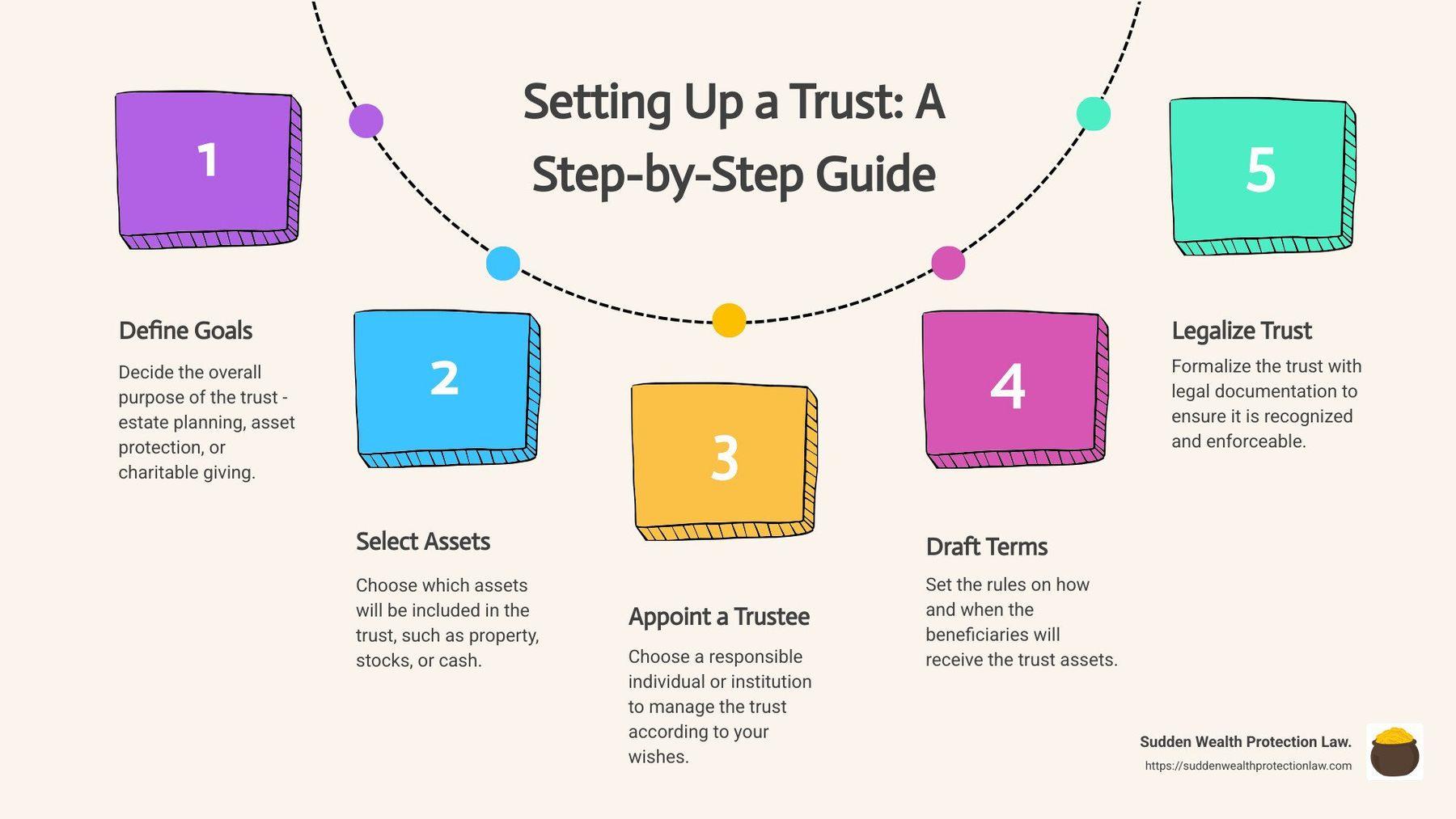
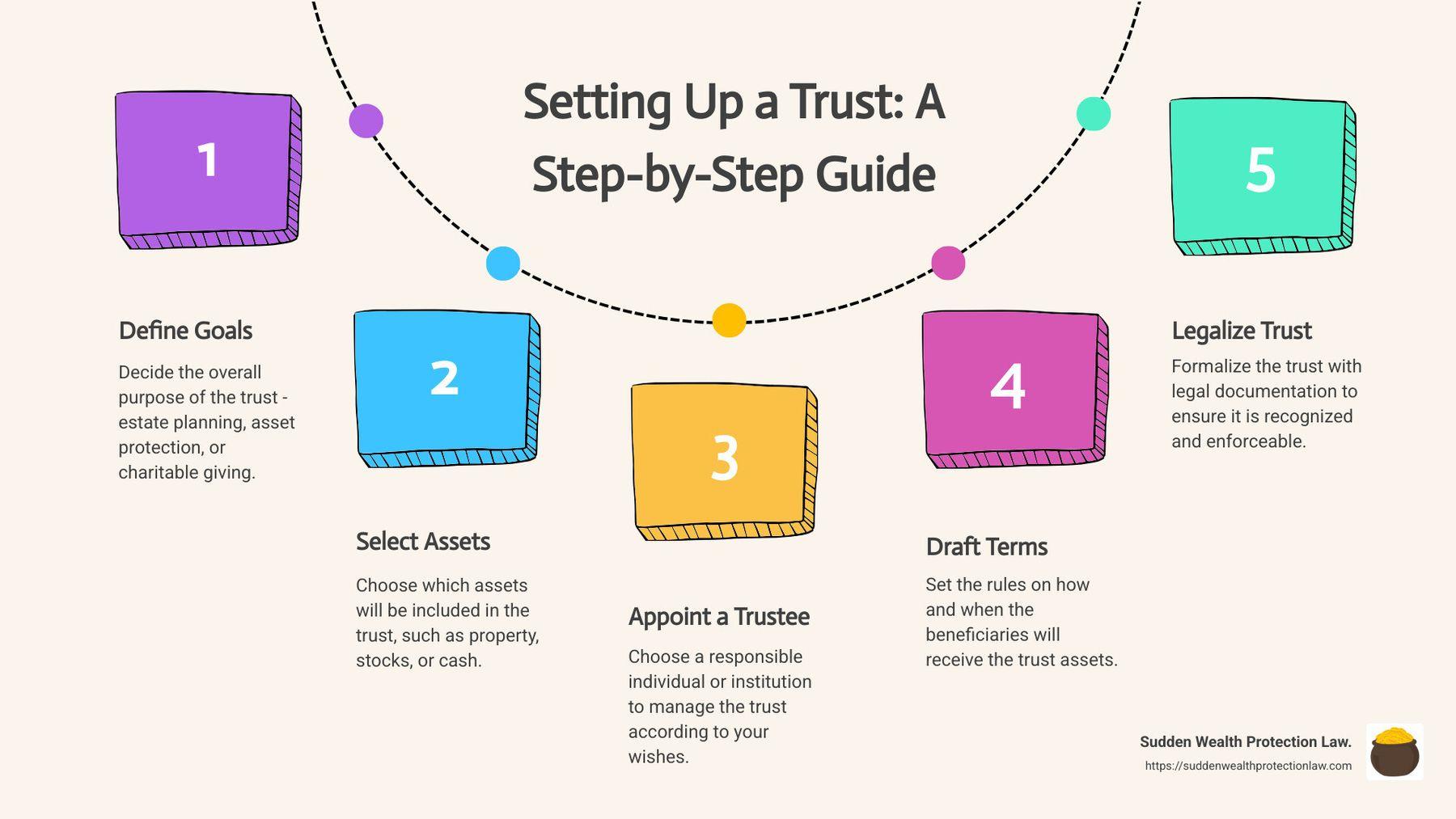
Creating a trust involves a few key steps. As a trustor, you decide the goal of the trust, pick who will benefit, and choose a trustee to manage everything. The purpose can vary from estate planning to protecting assets for future generations or even giving to charity.
I’m Paul E. Deloughery, and I have dedicated my career to helping clients understand these roles and responsibilities. With over 25 years of legal experience, I’ve seen the importance of a well-structured trustor arrangement in protecting wealth and ensuring smooth asset transfers. This process is crucial to avoid the pitfalls many face when proper preparation isn’t done.
Trustor vocabulary:
– grantor trustee
– trustee vs trustor definition
–what is the grantor of a trust
Understanding the Role of a Trustor
When establishing a trust, the trustor plays a pivotal role. They’re the individual or entity that creates the trust, transferring assets to be managed for the benefit of others. This role is central to ensuring that your intentions for asset distribution are clearly set and legally protected.
Trustor vs Trustee
The trustor and the trustee have distinct roles in a trust arrangement. The trustor is the one who sets up the trust and decides its terms, including which assets are included and who will benefit. On the other hand, the trustee is the person or entity responsible for managing those assets according to the trustor’s instructions. The trustee has a fiduciary duty to act in the best interests of the beneficiaries. This means they must manage the trust’s assets prudently and in accordance with the trust’s terms.

Trustor vs Grantor
The terms trustor and grantor are often used interchangeably, and rightly so. Both refer to the person who creates the trust. In some contexts, you might also hear the term settlor. Regardless of the title, the responsibilities remain the same. The trustor/grantor/settlor is tasked with setting the foundation of the trust, deciding how assets are managed, and who will benefit from them.
Responsibilities of a Trustor
The responsibilities of a trustor are crucial for the successful creation and management of a trust. Here are the key duties:
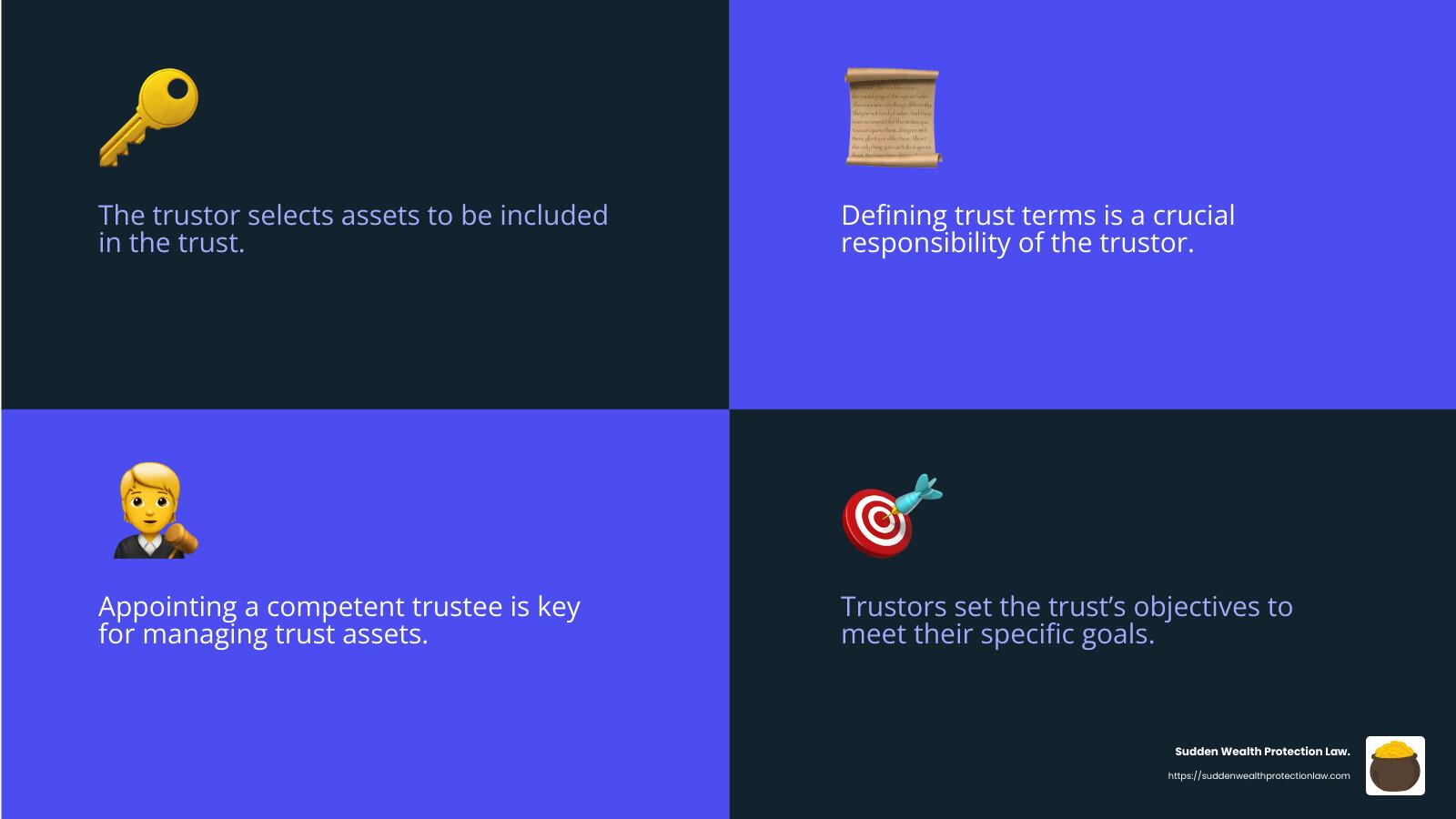
- Asset Selection: Choosing which assets will be included in the trust. This can range from financial assets like stocks and bonds to real estate and personal property.
- Defining Terms: Setting the rules for how the trust operates. This includes specifying how and when beneficiaries receive assets.
- Appointing a Trustee: Selecting a trustworthy and competent trustee to manage the trust’s assets. This decision is critical as the trustee will carry out the trustor’s wishes.
- Setting Objectives: Clearly defining the trust’s purpose, whether it’s to protect assets, provide for family members, support charities, or reduce taxes.
Understanding the role of a trustor is vital in ensuring that your assets are managed and distributed according to your wishes. By clearly defining the trust’s terms and selecting the right trustee, you can create a robust plan that protects your legacy and supports your beneficiaries.
Next, we’ll dig into the steps involved in establishing a trust, covering the process from start to finish.
Steps to Establish a Trust
Creating a trust involves several key steps. As a trustor, understanding this process is crucial to ensure your assets are managed and distributed according to your wishes.
Trust Creation Process
- Define the Trust’s Purpose: Decide why you’re creating the trust. Is it to protect assets, provide for loved ones, or support a charitable cause?
- Choose the Type of Trust: Based on your goals, select the type of trust that best suits your needs. Common options include living trusts, testamentary trusts, and charitable trusts.
- Draft the Trust Document: Work with an experienced attorney to create a legal document that outlines the trust’s terms. This document should specify the assets, beneficiaries, and instructions for asset management and distribution.
Asset Transfer
To make a trust effective, you must transfer assets into it. Here’s how:
- Identify Assets: Determine which assets you want to include in the trust. This could be anything from real estate and investment accounts to personal property.
- Transfer Ownership: Legally transfer the ownership of these assets to the trust. This might involve re-titling property or updating account information.
- Complete Necessary Paperwork: Ensure all legal documents are properly filed and recorded, such as deeds or titles. This step is critical to avoid future legal complications.
Trust Terms
Establishing clear terms is vital to guide the trustee and protect the interests of beneficiaries:
- Specify Beneficiaries: Clearly define who the beneficiaries are and what they will receive. This can include family members, friends, or charitable organizations.
- Set Distribution Guidelines: Outline how and when the assets should be distributed. This might include lump-sum payments, staggered distributions, or conditional disbursements based on specific criteria.
- Include Trustee Instructions: Provide detailed instructions for the trustee on managing the trust’s assets. This can cover investment strategies, tax considerations, and any other relevant guidelines.
By following these steps, you can establish a trust that aligns with your objectives and safeguards your assets for the future.
Next, we’ll explore the different types of trusts and how they can be custom to meet various needs.
Types of Trusts
Trusts come in various forms, each serving unique purposes. Understanding these types can help you decide which is best for your needs.
Fiduciary Relationship
At the heart of every trust is a fiduciary relationship. This means the trustee is legally obligated to act in the best interests of the beneficiaries. The trustee manages the trust’s assets and ensures they are used as the trustor intended. This relationship is built on trust and accountability, making it crucial for the trustor to choose a trustworthy and competent trustee.
Trust Deed
A trust deed is a legal document that outlines the terms of the trust. It specifies the roles and responsibilities of the trustor, trustee, and beneficiaries. This document acts like a blueprint, detailing how the trust’s assets should be managed and distributed. It is essential for avoiding misunderstandings and legal disputes. For example, in real estate, a trust deed can be used instead of a mortgage to transfer property titles through a third party, ensuring compliance with the trust’s terms.
Blind Trust
A blind trust is a special type of trust where the trustor gives the trustee full control over the assets without any input or knowledge about how they are managed. This arrangement is often used by individuals in positions of power to avoid conflicts of interest. By not knowing the details of the trust’s investments, the trustor can maintain impartiality in their professional duties. This type of trust emphasizes the importance of having a trustee you can fully rely on.
Now that we’ve covered the different types of trusts, let’s dig into how trusts are used in real estate and the specific role of a trustor in these transactions.
Trustor in Real Estate
In real estate, the role of a trustor often intersects with property transactions and legal agreements. Understanding how a trustor functions in this context can clarify the process of securing and managing real estate assets.
Trustor as Borrower
In real estate, a trustor can also be the borrower in a trust deed arrangement. This occurs when a property buyer (trustor) secures a loan from a lender by placing the property’s title in the hands of a trustee. This means the trustor is responsible for making payments on the loan while the trustee holds the title until the debt is fully paid.
Trust Deed in Real Estate
A trust deed in real estate acts as a security instrument for a loan, similar to a mortgage. However, it involves three parties: the trustor (borrower), the beneficiary (lender), and the trustee (neutral third party). The trust deed outlines the terms of the loan and the responsibilities of each party. It ensures that the property title is transferred to the trustee, who holds it until the trustor fulfills their loan obligations. This setup protects the lender by giving them a claim to the property if the trustor defaults on the loan.
Property Title
The property title plays a crucial role in real estate transactions involving a trust deed. When a trustor enters into such an agreement, they transfer the property title to the trustee. This transfer is temporary and serves as collateral for the loan. Once the trustor repays the loan, the trustee reconveys the title back to the trustor, completing the transaction. This process ensures that the property is securely held and that the lender’s interests are protected throughout the loan period.
By understanding the role of a trustor in real estate, you can steer property transactions more effectively and ensure that your assets are managed according to your intentions.
Next, we will explore some frequently asked questions about trustors to further clarify their roles and responsibilities.
Frequently Asked Questions about Trustors
What is a trustor vs. trustee?
A trustor is the person or entity that creates a trust. They transfer their assets into the trust and set the rules for how these assets should be managed and distributed. This role is crucial in estate planning as it determines who benefits from the trust and how.
A trustee, on the other hand, is the person or entity responsible for managing the trust according to the trustor’s instructions. The trustee has a fiduciary duty to act in the best interests of the beneficiaries, ensuring the trust’s purpose is fulfilled. While the trustor sets up the trust, the trustee makes sure it runs smoothly.
Is a trustor the same as a grantor?
Yes, the terms trustor, grantor, and settlor are often used interchangeably. They all refer to the person who creates and funds the trust. The trustor decides how the trust operates and who benefits from it. By establishing the trust, the trustor lays the groundwork for asset management and distribution.
Is the trustor the borrower?
In real estate, a trustor can sometimes also be the borrower. This happens in a trust deed scenario, where the trustor (borrower) uses their property as collateral to secure a loan. The trust deed involves three parties: the trustor, the lender (beneficiary), and a neutral third-party trustee. In this setup, the trustee holds the property title until the trustor pays off the loan. Once the debt is cleared, the title is returned to the trustor, marking the end of the trust deed agreement.
Conclusion
At Sudden Wealth Protection Law, we understand that estate planning is not just about managing assets; it’s about securing your family’s legacy and values for future generations. Our expertise in trust administration and asset protection helps ensure that your wishes are honored and your loved ones are cared for.
Creating a trust can be a complex process, but with our compassionate and custom approach, you can achieve peace of mind. We offer personalized legal solutions, including our unique Asset Vault Trust, which provides maximum flexibility and protection for your assets. This strategy incorporates a special power of appointment, allowing for adjustments even in irrevocable trusts, ensuring that your estate plan can adapt to changing circumstances.
Our team, led by founding attorney Paul Deloughery, is dedicated to empowering families and business owners in Arizona. We teach them how to protect their wealth and prepare their heirs to be responsible stewards. Whether you need assistance with setting up a trust, navigating trust disputes, or planning for the future, we are here to guide you every step of the way.
For more information on how we can help you with estate planning and asset protection, visit our Wills and Trusts page. Let us assist you in crafting a plan that reflects your intentions and provides peace of mind for you and your loved ones.
This article is general information, not legal advice for your situation. Reading it does not create an attorney-client relationship.