

How much does a living trust cost? You’re not alone in seeking this answer. A living trust can range from $1,100 to $2,500 depending on factors like the complexity of your assets, whether you choose a DIY approach or hire a professional, and your geographic area. While this might seem like a hefty investment, it offers significant benefits such as probate avoidance and flexible asset management, which can be priceless in securing your family’s financial future.
Estate planning is often surrounded by mystery and complexity, especially for those unfamiliar with legal jargon. A living trust is a valuable tool that lets you manage and distribute your assets smoothly. It helps ensure your loved ones receive their inheritance without the hassle of probate, saving them time and reducing public scrutiny during an emotionally taxing period.
I’m Paul E. Deloughery, with over 25 years of experience in estate planning, focusing on answering questions like how much does a living trust cost. As founder and managing attorney at Sudden Wealth Protection Law in Phoenix, AZ, I specialize in helping families steer estate complexities with custom strategies.
How much does a living trust cost further reading:
– living trusts
– estate planning
–how to put a house in a trust
Understanding Living Trusts
A living trust is like a treasure map for your assets, guiding them safely to your loved ones. It involves two main characters: the trustor and the trustee.
Trustor: This is you, the person who creates the trust. You decide what goes into it and who gets what.
Trustee: Think of the trustee as the captain of your ship. They manage the assets in the trust and ensure everything goes according to your plan. You can be your own trustee while you’re alive, and then appoint someone else to take over after you’re gone.
Asset Management
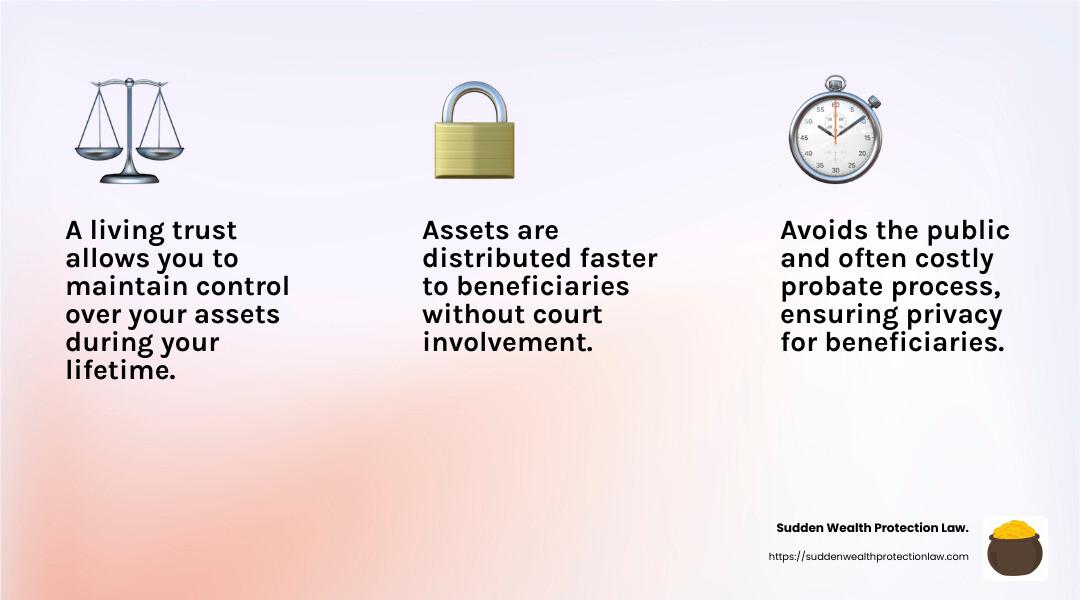
When you put your assets into a living trust, you still have control. You can add or remove assets as you wish. This flexibility is one of the biggest reasons people choose a living trust over a will. You can manage your investments, properties, and even bank accounts while you’re alive, and decide exactly how they should be handled after you’re not.
Probate Avoidance
One of the most attractive features of a living trust is its ability to avoid probate. Probate is a legal process that happens after someone dies. It involves proving the will is valid, paying off debts, and distributing the remaining assets. This process can be costly, time-consuming, and public.
With a living trust, your assets bypass probate. This means your beneficiaries get their inheritance faster and with more privacy. There’s no need for court involvement, which can save your family stress and money.
In summary, a living trust is a practical tool for managing your assets and ensuring they are distributed according to your wishes. It provides flexibility and privacy, making it a preferred choice for many seeking to protect their legacy.
How Much Does a Living Trust Cost?
When considering a living trust, one of the most common questions is: how much does a living trust cost? The answer can vary widely based on several factors, including whether you hire an attorney or choose a DIY approach.
Cost Range
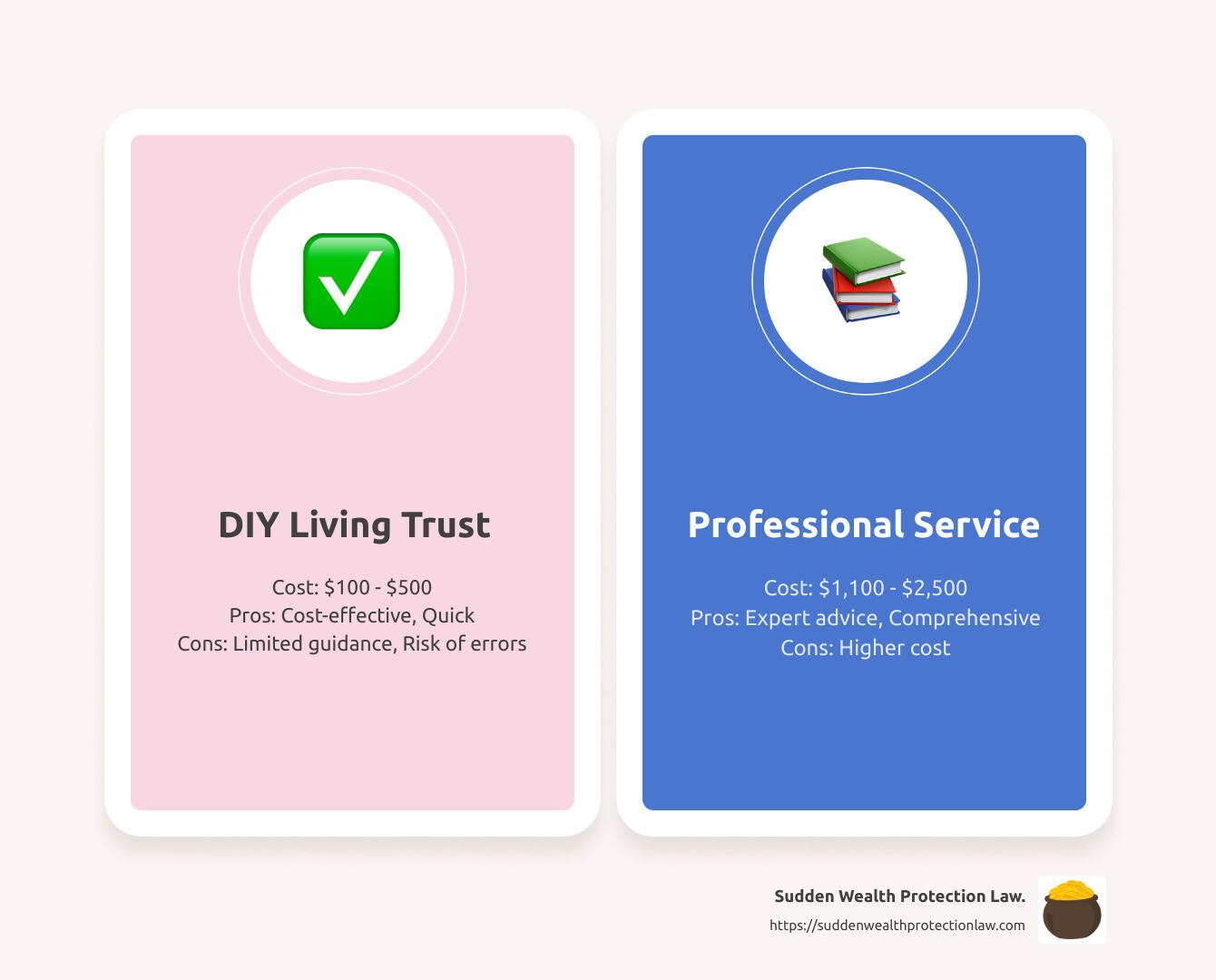
The cost of setting up a living trust can range from as low as $100 to over $3,000. This wide range is due to the different options available for creating a trust. Let’s break it down:
- DIY Kits: These are the most affordable option, with prices starting around $50 to $100. They provide templates and instructions, but require you to have a good understanding of estate planning to avoid mistakes.
- Online Legal Services: Services like LegalZoom offer more support than DIY kits, with prices typically ranging from $100 to $1,000. These services often include step-by-step guidance but lack personalized legal advice.
- Attorney Services: Hiring an attorney is the most expensive option, costing between $1,000 and $3,000 for a standard trust. This can go higher if your estate is complex. Attorneys provide expert guidance and ensure your trust is custom to your specific needs.
Attorney Fees
Attorney fees for creating a living trust can vary depending on the complexity of your estate and the attorney’s experience. In general, attorney fees range from $1,000 to $3,000. However, if your estate is complex—like having multiple properties or business holdings—fees can exceed $5,000.
Attorneys may charge a flat fee or bill by the hour. Hourly rates can range from $150 to $500, depending on the attorney’s expertise and location.
DIY Options
For those comfortable with legal processes, DIY options can be a cost-effective way to create a living trust. These options are best suited for individuals with simple estates. However, it’s crucial to be cautious, as errors in the trust document can lead to legal complications.
Online platforms offer templates and guidance, making it easier to set up a trust without extensive legal knowledge. But remember, these services do not provide the personalized advice that an attorney would.
In conclusion, the cost of a living trust depends on the method you choose—DIY, online services, or hiring an attorney. Each option has its pros and cons, and the right choice will depend on your specific needs and budget.
Factors Influencing Living Trust Costs
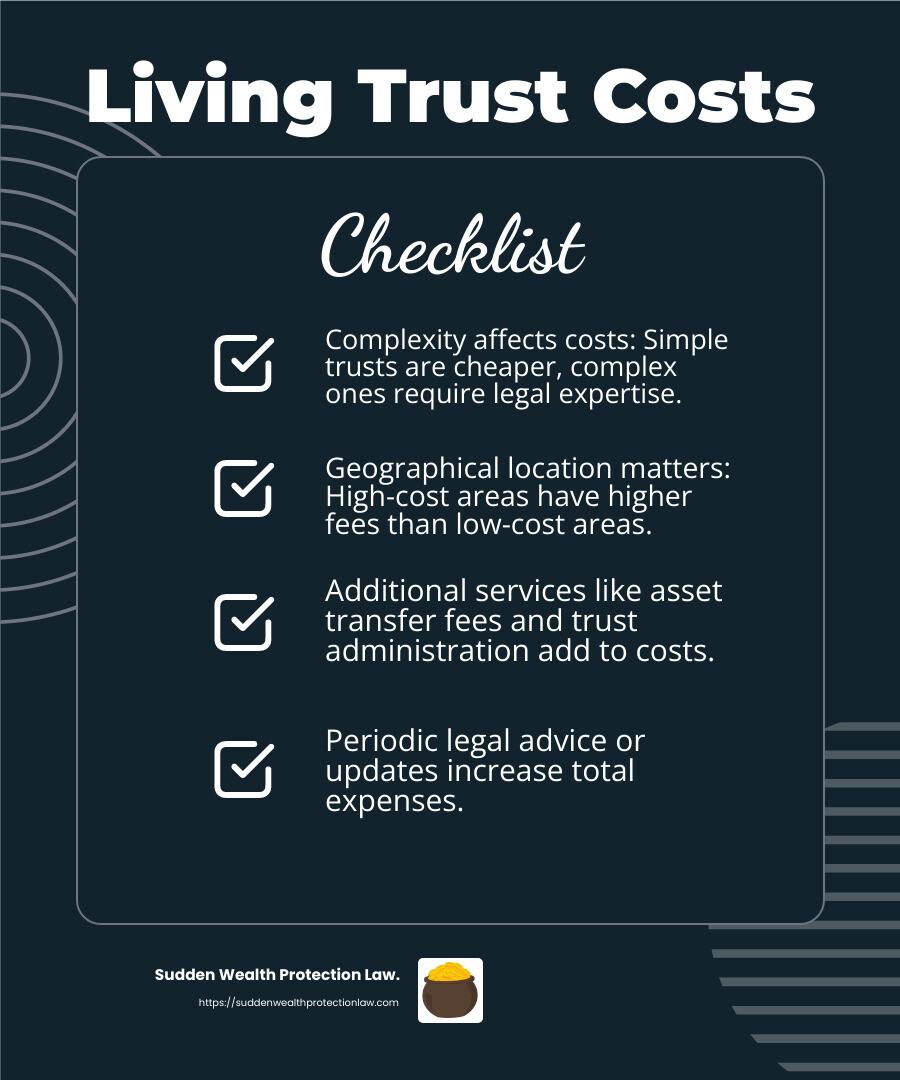
Creating a living trust involves several factors that can affect its overall cost. Here, we’ll explore three key elements: complexity, geographical location, and additional services.
Complexity
The complexity of your estate is a major factor in determining how much a living trust costs. A simple estate with straightforward assets like a single home or a few bank accounts typically costs less. However, if your estate includes multiple properties, business interests, or assets in different states, expect the costs to rise.
- Simple Trusts: Generally less expensive and can often be handled with DIY kits or online services.
- Complex Trusts: Require more detailed planning and legal expertise, often necessitating the services of an attorney. These trusts can involve additional legal documents and consultations, which increase the cost.
Geographical Location
Where you live can significantly impact the cost of setting up a living trust. Legal fees and other costs vary widely across different regions.
- High-Cost Areas: Cities like San Francisco or New York City often have higher legal fees due to the cost of living. In these areas, setting up a living trust can be more expensive.
- Low-Cost Areas: Smaller towns or rural areas typically have lower legal costs. For instance, a trust that might cost $1,500 in Phoenix, AZ, could be significantly cheaper in a smaller city.
Additional Services
Beyond creating the trust itself, there are additional services that might be necessary, each adding to the overall cost.
- Asset Transfer Fees: Transferring assets into the trust, such as real estate or investment accounts, might incur additional fees. This includes deed transfer fees and recording costs.
- Trust Administration: If you appoint a professional trustee to manage the trust, they may charge an annual fee based on the trust’s value.
- Legal Advice and Updates: Periodic legal advice or updates to the trust, especially if your financial situation changes, can also add to the cost.
These factors combined determine the total cost of creating a living trust. It’s crucial to assess your specific needs and consult with a professional to understand the potential expenses fully.
Next, we’ll examine the pros and cons of living trusts, providing a clearer picture of whether this estate planning tool is right for you.
Pros and Cons of Living Trusts
Living trusts offer several advantages, but they also come with their own set of challenges. Let’s break down the main pros and cons to help you decide if a living trust is right for you.
Pros
Privacy Protection
One of the biggest benefits of a living trust is privacy. Unlike a will, which becomes public during probate, a living trust keeps your affairs private. This means your financial details and the distribution of your assets stay confidential.
Time Efficiency
A living trust can save a lot of time. Since it bypasses the probate process, your beneficiaries can receive their inheritance much faster. This is especially important if your family relies on those assets for immediate needs.
Active Management
Living trusts allow for active management of your assets. You can make changes anytime while you’re alive. This flexibility lets you adapt the trust to reflect changes in your life, like new assets or a change in family dynamics.
Cons
Hidden Costs
While the initial setup of a living trust can be straightforward, there are hidden costs to consider. These can include fees for transferring assets into the trust and ongoing management fees if you hire a professional trustee.
Active Management
Yes, this is both a pro and a con. Active management means you need to stay involved. Regularly updating the trust and ensuring new assets are included can be time-consuming and requires attention.
Living trusts offer significant benefits, especially in terms of privacy and efficiency, but they require careful consideration of costs and management. Understanding these pros and cons can help you make an informed decision about whether a living trust aligns with your estate planning goals.
Next, we’ll dive into some frequently asked questions about living trust costs to clear up any lingering uncertainties.
Frequently Asked Questions about Living Trust Costs
How much money should you have to set up a trust?
When considering a living trust, many wonder about the minimum asset value needed to justify the cost. There’s no hard rule, but generally, if you own a home or have assets exceeding $100,000, a living trust might be beneficial. This is because it helps avoid probate, which can be costly and time-consuming.
Transferability is another key factor. If you have assets like real estate, investments, or bank accounts, transferring them into a trust can streamline their distribution to beneficiaries. The more easily transferable your assets, the more efficiently a living trust can work for you.
What is the downside to a living trust?
While living trusts have many advantages, they aren’t without drawbacks. One major downside is limited protection. Unlike irrevocable trusts, revocable living trusts do not shield assets from creditors or lawsuits. This means your assets remain vulnerable while you’re alive.
Another consideration is complexity. Setting up a living trust can be more complicated than creating a simple will. It requires careful planning and ongoing management to ensure all assets are correctly transferred into the trust. This can be time-consuming and may require professional help, adding to the overall cost.
How much does a living trust cost in the US?
The cost of setting up a living trust in the US can vary widely due to regional variations and legal requirements. On average, hiring an attorney to draft a living trust can cost between $1,000 and $3,000. However, this range can fluctuate based on your location and the complexity of your estate.
In areas with a higher cost of living, such as major cities, attorney fees might be on the higher end. Additionally, states with specific trust laws may require more intricate legal work, increasing the cost. For those looking to save money, DIY options or online services can offer a more affordable alternative, though they come with their own risks.
Understanding these factors can help you plan for the costs associated with creating a living trust and ensure it aligns with your financial and estate planning goals.
In the next section, we’ll explore how Sudden Wealth Protection Law can provide personalized solutions to meet your estate planning needs.
Conclusion
At Sudden Wealth Protection Law, we understand that estate planning is more than just managing assets—it’s about securing your family’s future and ensuring peace of mind. Our personalized solutions are designed to fit your unique needs, providing you with expert guidance every step of the way.
Why Choose Us?
Our team, led by founding attorney Paul Deloughery, specializes in creating comprehensive estate plans that protect your assets and empower your beneficiaries. We offer a unique approach with our Asset Vault Trust, an irrevocable trust that provides maximum asset protection and flexibility. This ensures that your wealth is safeguarded for generations to come.
Peace of Mind Through Expertise
Navigating the complexities of estate planning can be daunting, but you don’t have to do it alone. Our compassionate team is here to make the process as smooth and stress-free as possible. We focus on clear communication and custom strategies, ensuring that your estate plan reflects your personal goals and values.
By choosing Sudden Wealth Protection Law, you’re not just investing in legal services—you’re investing in a secure future for your loved ones. Whether you’re setting up a living trust or exploring other estate planning options, we are dedicated to providing you with the peace of mind you deserve.
For more information on how we can assist you with probate and trust administration, visit our Probate and Trust Administration page. Let us help you protect your legacy today.
This article is general information, not legal advice for your situation. Reading it does not create an attorney-client relationship.